I recently walked into a sandwich shop and saw a six-foot-tall poster of a sandwich on the wall. Something about it was deeply wrong. The bread did not look like bread; the fillings looked unnatural — to the point where I felt uneasy looking at the image. The image was clearly generated by AI, and I learned that day that I don’t want artificial intelligence anywhere near my food. It didn’t make me hungry. If anything, it made me want to walk out of the restaurant.
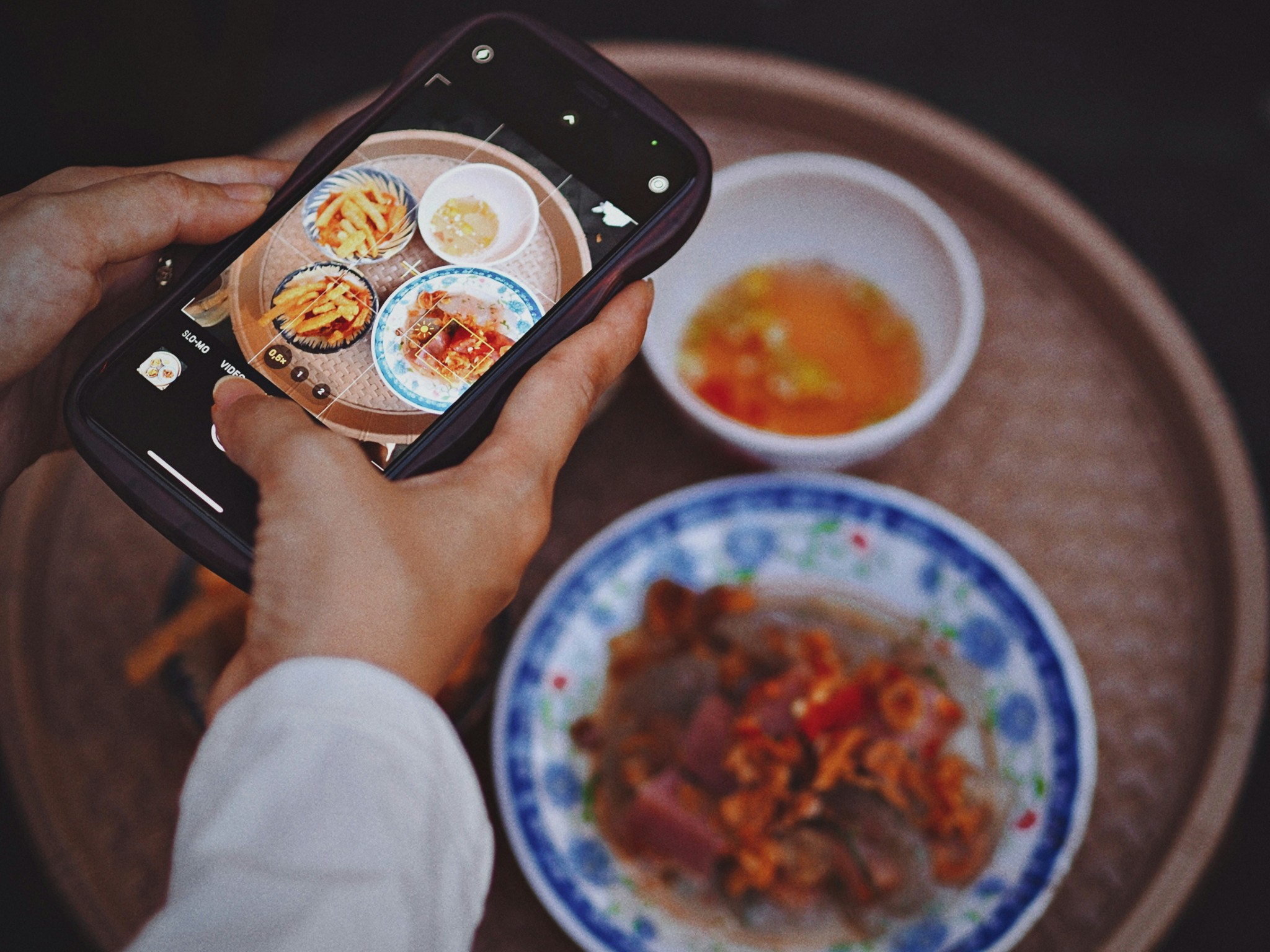
It got me thinking about how quickly businesses are filling their marketing with things that might be good enough, but lack the little imperfections that make something feel real. AI can produce an image in seconds, but that doesn’t mean it’s the right image for your brand or audience. When we’re marketing a product or experience, there’s still tremendous value in actually photographing the thing. Whether it’s a small organization shooting Instagram content on their iPhone or a team of food stylists expertly photographing a new menu item for a national campaign, human-made visual content won’t ever be beat.
There’s a reason major brands continue to invest in professional photography when AI can generate almost anything. People crave real experiences. As more of our visual world becomes polished, generated and increasingly indistinguishable, the human details become much more valuable.
Take this as my cry for all of us communicators to be more critical of what we put into the world — especially when it comes to visual creative. Sometimes the best choice is the slightly imperfect photograph, the real person, the hand-designed detail or the image that reminds you that something actually exists.
Maybe imperfection is what makes something worth looking at.