There's a reason most organizations default to one-size-fits-all messaging: it's efficient. One campaign, one audience, one set of materials. You cover the most ground with the least effort.
And there's a comforting logic to it. More reach should mean more response, right?
But reach isn't resonance.
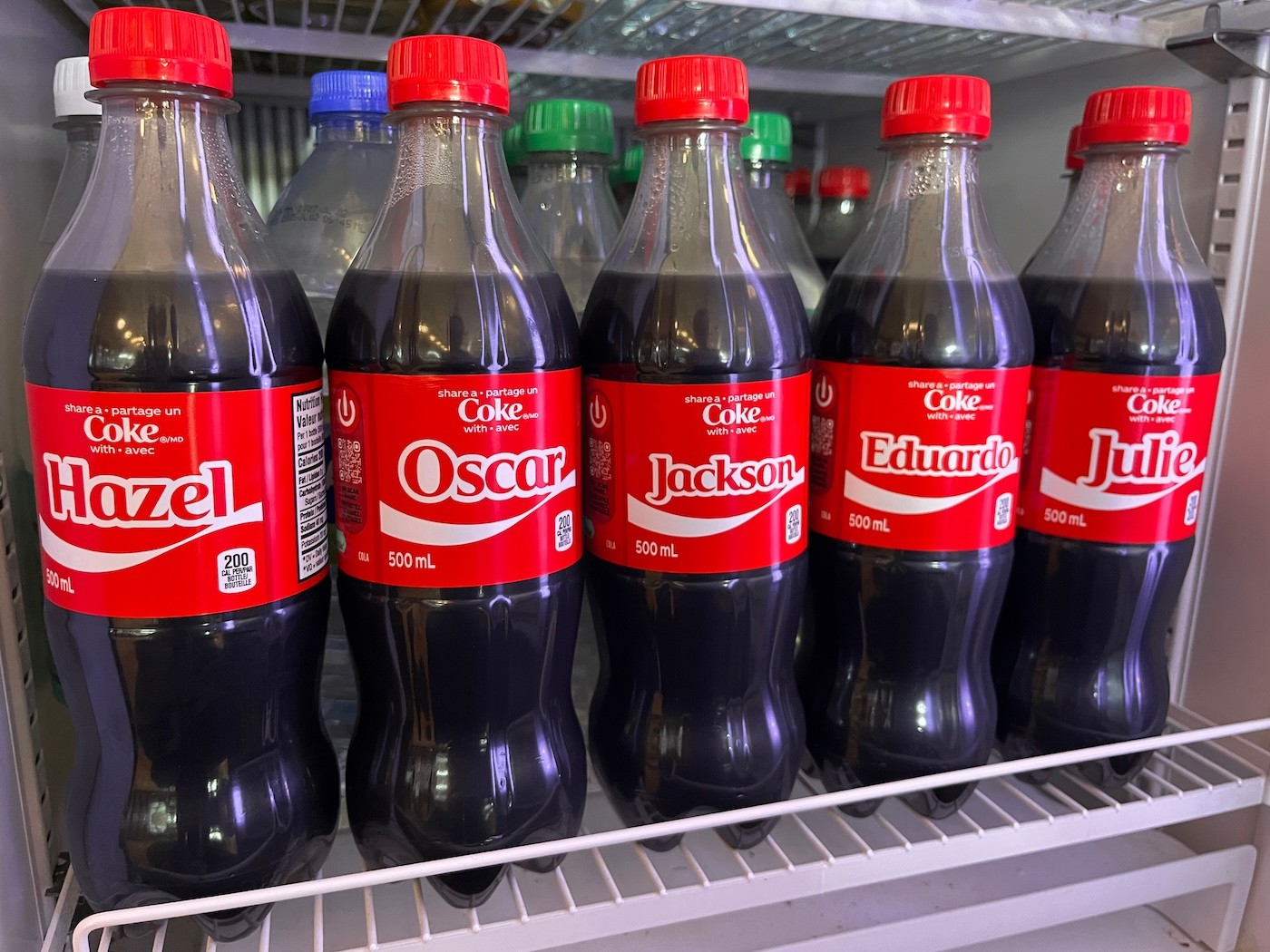
In the early 2010s, despite decades of iconic advertising, Coca-Cola was watching consumption decline — especially among younger audiences. Their research uncovered something uncomfortable: young adults felt Coke "wasn't talking to them at eye level." The brand was everywhere, but it wasn't connecting.
The fix wasn't louder ads or bigger budgets. It was personalization. The "Share a Coke" campaign launched in Australia in 2011, replacing the logo with individual names. When it reached the US three years later, it reversed more than a decade of declining sales.
The instinct to speak to every audience the same way is understandable. Segmenting takes time. Creating different messages for different groups isn’t easy. And it can feel like you're leaving people out when you stop trying to speak to everyone at once.
But that discomfort is the point. When you try to reach everyone, your mission, programs or fundraising campaigns may resonate with no one. The message becomes so broad it stops meaning anything to the person reading it.
This is especially hard for smaller organizations without Coca-Cola's resources. You don't have teams dedicated to research and personalization. You're already stretched thin. The thought of creating multiple versions of anything feels incredibly hard.
But you don’t need Coca-Cola’s budget to make a shift. Start small. Pick your two most important audiences. Ask what they each need to hear and resist the urge to give them the same answer. That’s how you move from one-size-fits-all messaging to real connection.