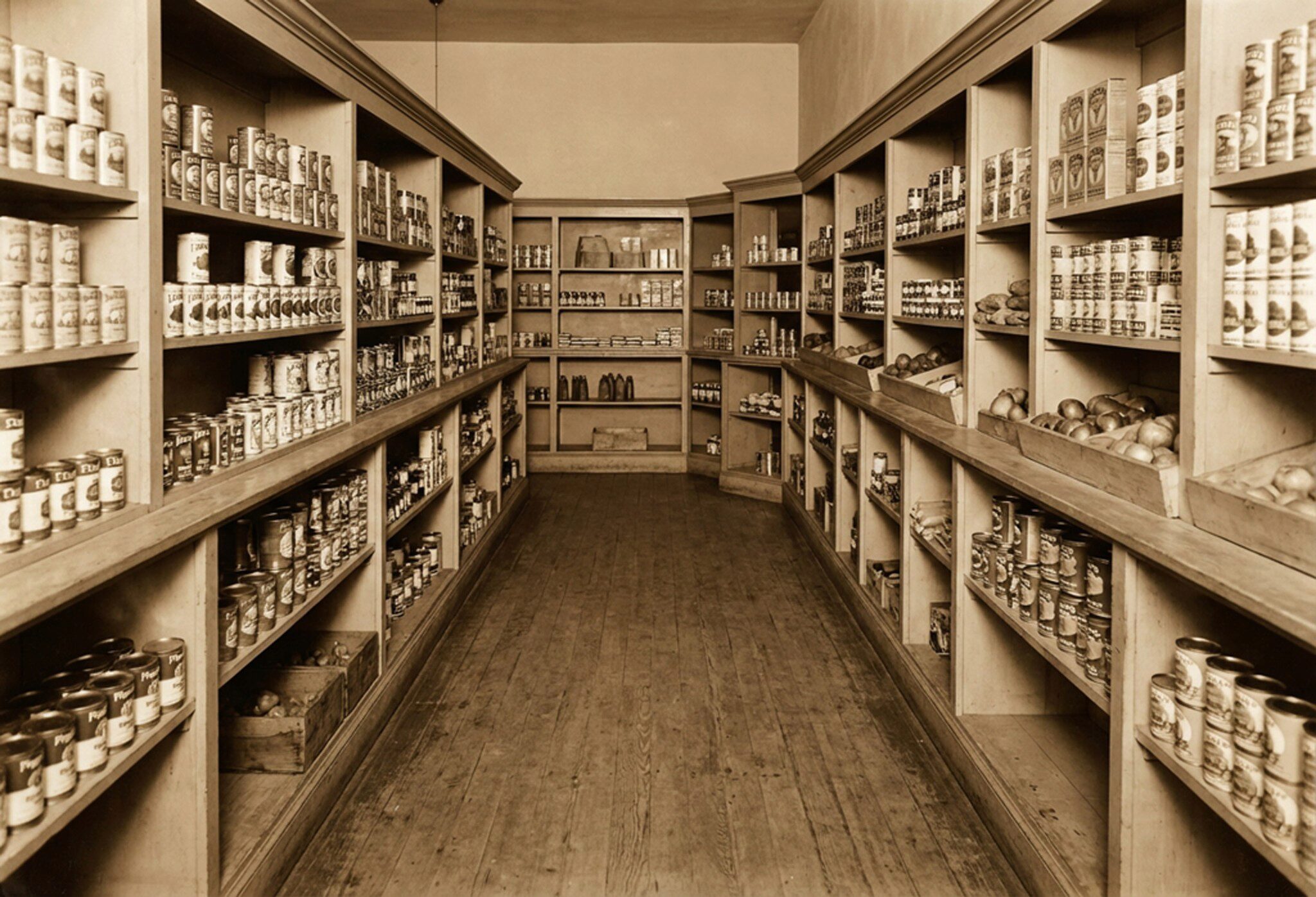
For most of history, grocery shopping looked nothing like it does today. You walked into a store, handed a list to a clerk and waited. The clerk fetched flour from one barrel, sugar from another and canned goods from shelves you never touched. Shopping was efficient, but it was also invisible. Customers didn't browse. They didn't linger. They didn't discover.
Then, in 1916, a grocer named Clarence Saunders tried something radical.
At his new store, Piggly Wiggly, Saunders let customers serve themselves. But the real breakthrough wasn't the baskets or the price tags, it was the aisle!
Instead of a counter, Saunders arranged shelves into long, narrow paths that guided shoppers through the store. Customers entered at one end, followed a clear route and exited at the other. Along the way, they passed item after item they had not planned to buy. As you can imagine, sales jumped almost immediately.
The aisle didn't add more products; it added structure. Shoppers felt free, but they were being quietly guided. The path reduced decision fatigue and made choices feel manageable. People bought more not because they were pressured, but because the experience finally made sense.
That insight still holds today.
Most organizations assume people want more options, more content and more explanation. In reality, people want direction. When everything is available at once, nothing stands out. Without a clear path, choice becomes exhausting.
That is where Radiant does its best work. We help ministries design paths, not piles: clear navigation, clear messaging, clear next steps. Not more information, but better order.
The grocery aisle wasn't about selling food. It was about helping people move forward without feeling lost. And once you see that, you start noticing it everywhere.