
The Reading Room

Radiant’s Central Repository

The Reading Room is a unique place where we share thoughts on innovation, brand strategy, client insights, and our latest SAAS projects.

When someone visits your organization's website for the first time, they're usually looking for something specific. They might want to learn more about your mission, find out how to get involved, access a resource or understand the work you're doing.

We've seen it time and time again. Leaders want their websites to communicate everything about their organization...

Sooner or later, every ministry leader has to take a hard look at a program or initiative and figure out whether it’s still serving the mission. Usually, that means choosing one of three paths: doubling down on it, revamping it or moving on.

Peter Drucker believed that last option deserves far more attention than it gets. He called it “planned abandonment” — the discipline of regularly letting go of what you’ve outgrown, or what’s become obsolete, so that you can free up time, people and resources for what’s next. As he saw it, the first step toward growth “is to decide what to abandon.”

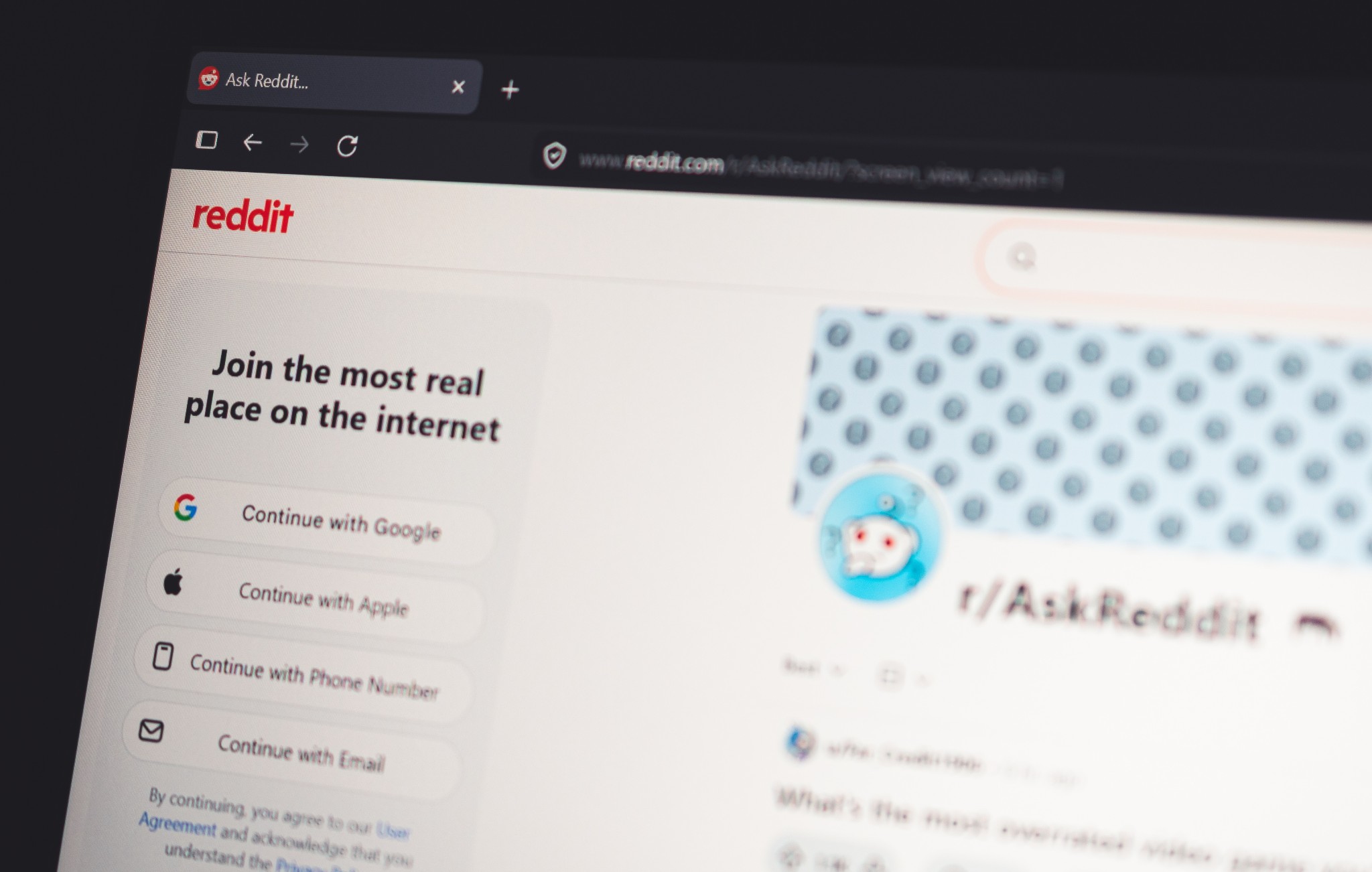
When you’re looking for a product to solve a problem, where do you turn to research your options? Personally, I head straight to Reddit for honest, in-depth reviews and conversations about products I’m on the fence about.

For marketers, the platform can be intimidating. Reddit users have little patience for brands that try to hijack conversations for promotional purposes, and when a product falls short, they’re rarely shy about saying so.

As a leader, there are a million things that need your attention. You have your team to care for, important decisions to make, challenges to navigate and a mission to execute. It’s easy to ruminate on what your organization needs next and what you’re going to do to make it happen.

My encouragement to you is: stop and pray.

I love using AI. It's become a valuable part of my daily workflow, helping me explore ideas, research questions and work through challenges. At Radiant and Bark, we have policies that guide how we use it, including how we handle confidential information.

But one thing deeply concerns me: how quickly people are giving AI platforms access to their email and other sensitive parts of their lives.

There are so many ministries out there with a unified team, a clear vision and an obvious need for the work they do, but there simply aren’t enough hours in the day to do it all.

As a leader, you carry a lot. There are people to serve, stories to tell, technology to manage, staff to take care of and communications to plan and execute. As your ministry grows, it can seem like your capacity starts to shrink.

There’s a strange thing that can happen when you work with a brand long enough: you start to get tired of it. You’ve used the same colours, fonts and visual elements in your graphic design for years. You’ve said the same things and posted variations of the same ideas, over and over.

So you start thinking that maybe you should change things up. Before you do, consider how your audience feels. They’re seeing far less of your brand than you are.

I've started to see a growing trend in ministries. More and more senior leaders are using AI to produce internal materials, and they're genuinely pleased with the results. The documents look polished and professional, but anyone familiar with AI-generated writing can spot the signs.