As the calendar turns toward a new year, many churches, ministries and nonprofits find themselves asking the same questions. Budgets are being reviewed, expenses are being scrutinized, leaders are trying to decide where to invest and where to pull back, especially when the future feels uncertain. When money gets tight, communications and fundraising efforts are often the first to face hard questions.
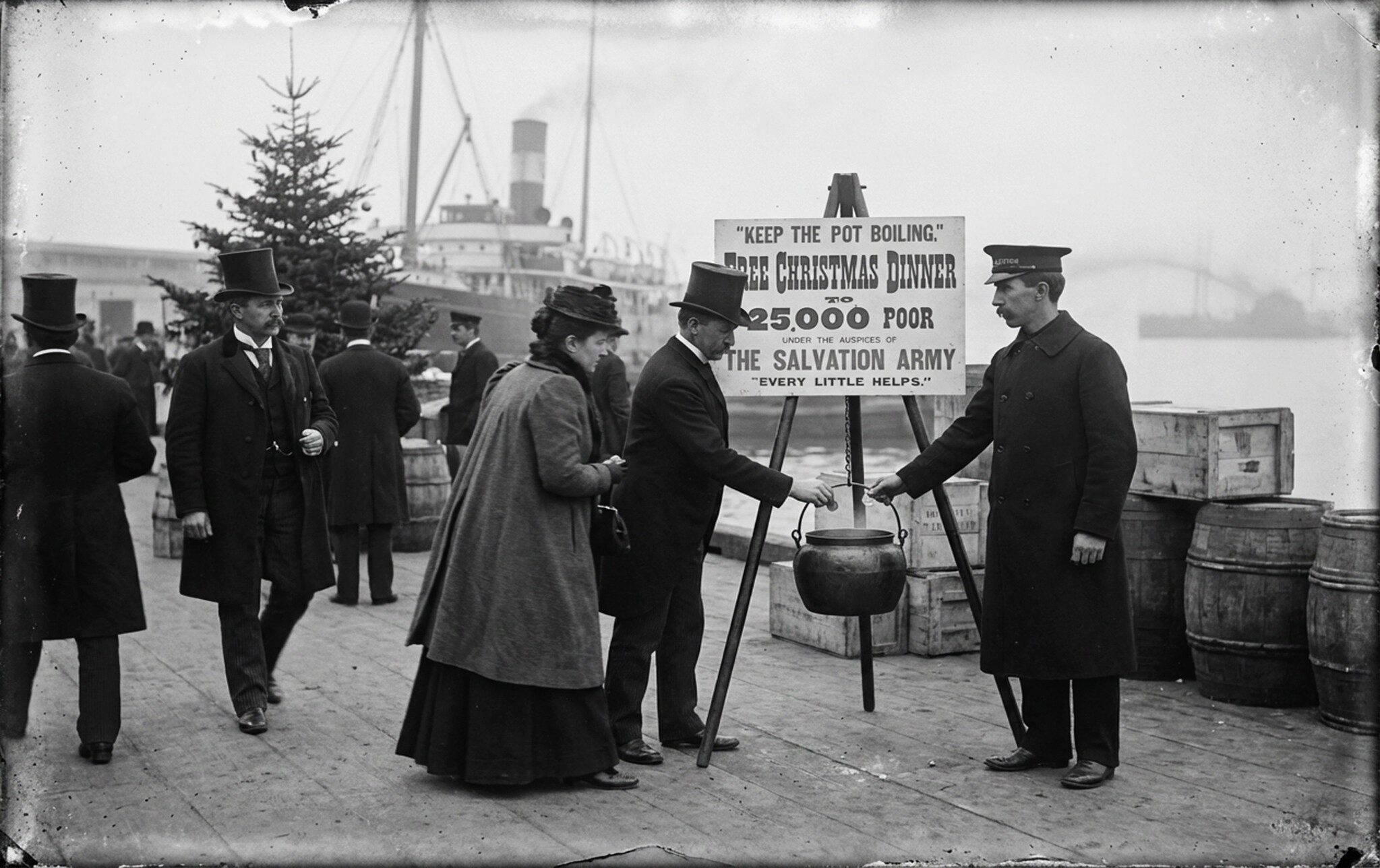
But one organization's response to that same pressure suggests there's another way. In 1891, a Salvation Army officer in San Francisco faced a problem that felt overwhelming. Captain Joseph McFee wanted to provide a Christmas meal for people in need, but the organization had no money to do it. Rather than scaling back the vision, he placed a large iron kettle on a busy pier with a simple sign asking passersby to help “keep the pot boiling.”
It worked. That humble act became the beginning of the Red Kettle campaign, one of the most recognizable ministry-based fundraising efforts in the world. And over time, something remarkable happened. During economic downturns, when many organizations reduced visibility and fundraising efforts out of caution, the Salvation Army leaned in instead. They remained present, consistent and visible, trusting that generosity did not disappear during hard times — it simply needed a clear invitation.
History proved them right. During recessions and moments of widespread financial uncertainty, Red Kettle donations have often held steady or even increased. Not because people had more money, but because the mission was clear, the ask was simple and the Red Kettle’s presence was constant. The Salvation Army understood something many ministry leaders miss: pulling back doesn’t bank generosity for later. It breaks the habit of giving.
We see this same tension today. When budgets tighten, organizations recognize that promotion and fundraising matter, but instead of investing wisely, they settle for what is convenient. Internal teams or “good enough” creative resources are asked to carry work they were never designed to handle. The thinking is understandable: We can save money and still (mostly) get the job done.
But moments of opportunity do not wait for ideal conditions. The Salvation Army did not protect its mission by pulling back when times were hard; they protected it by staying visible, staying clear and staying faithful to the work in front of them. They understood that when need increases, presence matters more, not less.
At Radiant, we’ve seen this principle lived out over time. Having had the privilege of working alongside The Salvation Army since 2004, we’ve witnessed how sustained presence and thoughtful communication support mission impact, even in uncertain seasons. When opportunity is real and impact is possible, reducing investment in communications does not conserve resources. It usually limits what could have been accomplished.
The Red Kettle reminds us of a simple truth: The time to invite generosity is often when it feels hardest to ask.