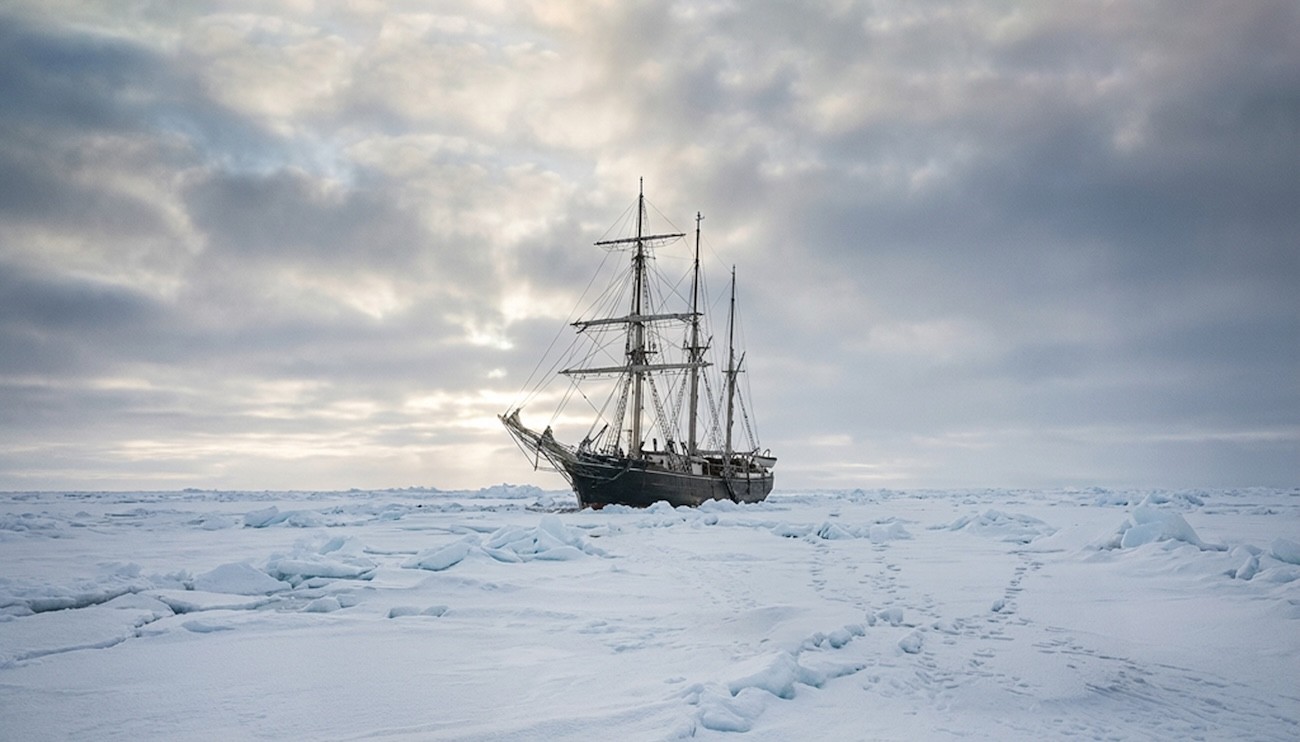
In August 1914, as Europe moved toward war, Ernest Shackleton sailed from Britain with a crew of 27 men aboard the Endurance. His ambition was immense: to become the first to cross Antarctica from sea to sea.
By January of the following year, that ambition had been arrested by the Weddell Sea. The ship became trapped in pack ice, then drifted helplessly for months until the pressure of the frozen ocean crushed its timbers and sent it to the bottom. The expedition that had set out to make history could no longer accomplish the thing it had been formed to do.
That would have been enough to break most leaders. Shackleton chose a different path. Once the crossing became impossible, he did not cling to the original plan out of pride. He rewrote the mission in plain terms: every man must come home. What followed has become one of the great survival accounts in modern history. His crew camped on drifting ice, launched lifeboats through brutal seas to Elephant Island, and then watched Shackleton and five others disappear into the Southern Ocean in the James Caird, a 22-foot boat bound for South Georgia nearly 800 miles away. Seventeen days later they reached the island, crossed its unmapped interior on foot and, after repeated attempts, Shackleton returned to rescue the men left behind. All 28 survived.
The enduring power of that story is not simply that Shackleton was brave. It is that he understood what leadership required in a changing world. He did not confuse faithfulness with stubborn attachment to an outdated objective. He recognized that when the landscape shifts, leaders must preserve the heart of the mission while being honest about the method. His greatness lay not in forcing the old plan through impossible conditions, but in carrying his people through the conditions he had actually been given.
That is true in ministry. There are seasons when the original map no longer serves, when the landscape has changed and when clarity becomes more important than momentum. At Radiant, we help organizations name what must not be lost, what must be adapted and how to communicate that difference with conviction. A wise leader does not pretend the ice is open water. A wise leader tells the truth about the moment, protects the people entrusted to them and finds the way forward.